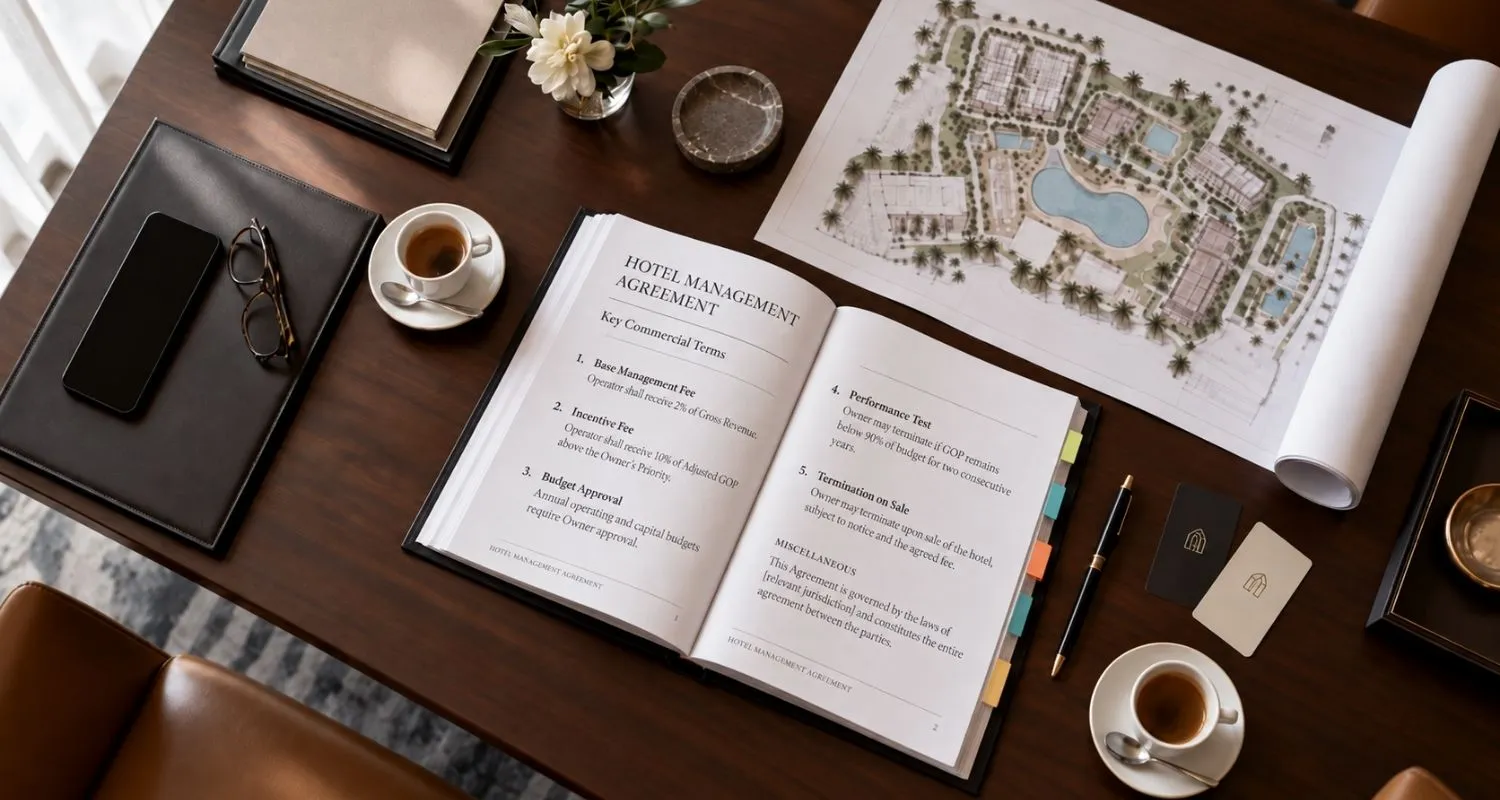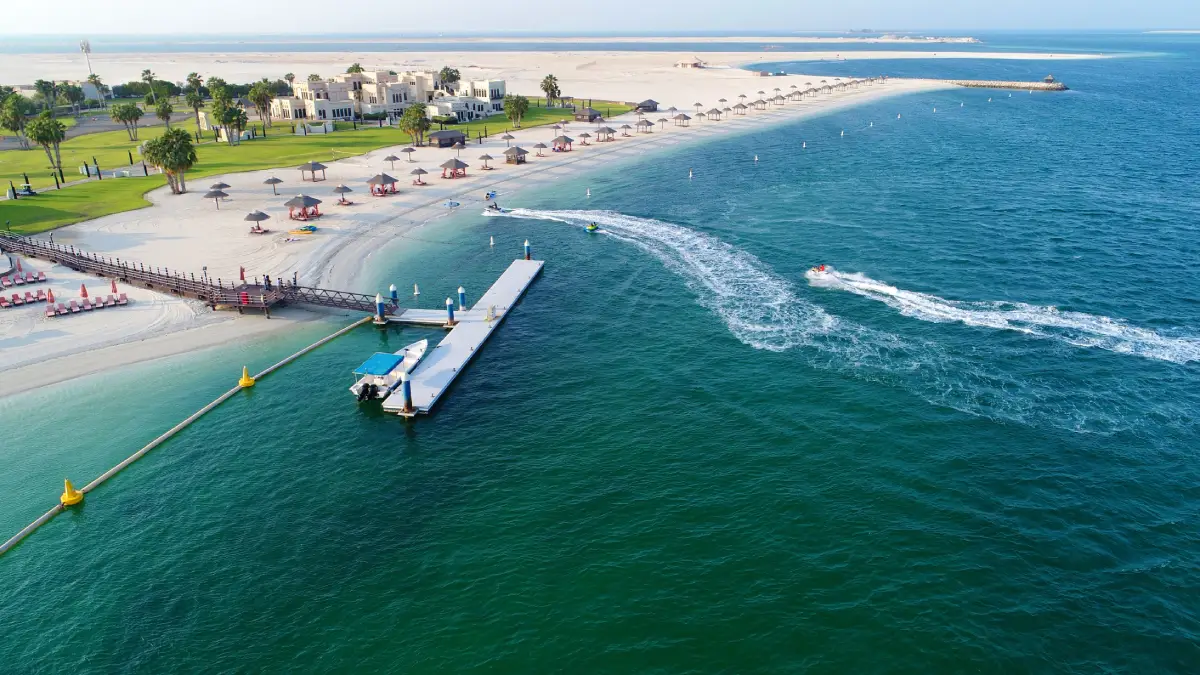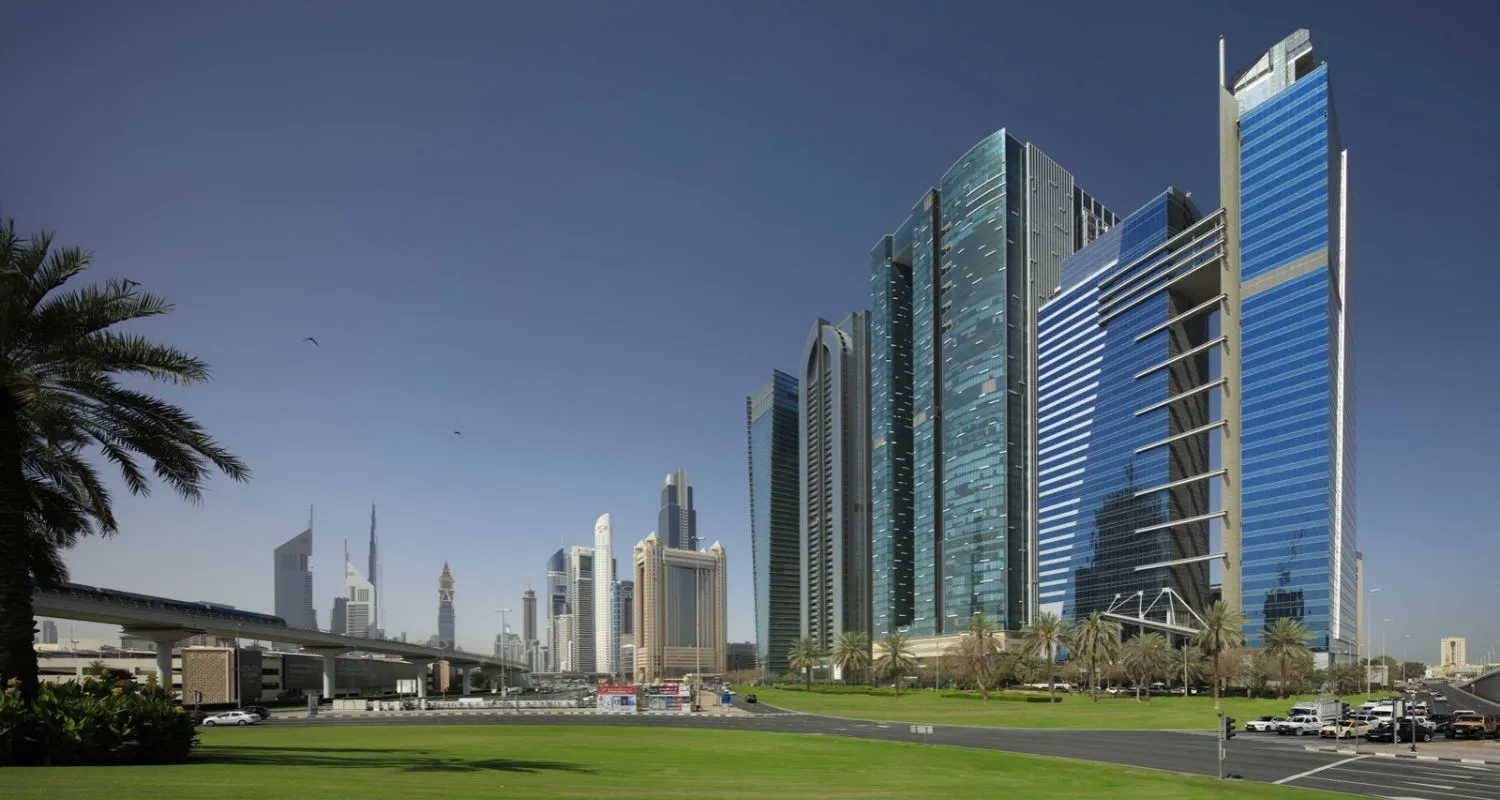

Hotel development is the full process of turning an idea and a plot of land into an operating hotel, covering concept, feasibility, design, financing, construction, and the launch that follows. It is long, capital heavy, and unforgiving of shortcuts. Most of a hotel’s eventual success or failure is decided long before the first guest checks in.
That is why owners, investors, and developers treat the early decisions with such care. A weak feasibility study or a late operator choice can quietly cost millions across a project’s life. Get the sequence right, on the other hand, and a scheme that opens on time starts to look very different from one that stalls halfway.
This guide walks through the hotel development process from first concept to opening day, covering the plan, the budget, the risks, and the people who steer it. Much of it draws on how STORY Hospitality approaches its own projects, since building and running hotels is what the company does day to day. That perspective also shapes the last point worth making up front: choosing the right operator early tends to decide how the whole thing unfolds, from cost to the day the doors open.
What is hotel development?
Hotel development is the end to end process of creating a hotel, from the first concept and feasibility work through design, financing, construction, and the pre-opening run up to launch. In short, it is everything that happens before a property can take its first booking. The work is part real estate, part finance, and part hospitality, which is exactly why it is harder to get right than a standard construction project.
What separates it from ordinary property development is the operating layer. A hotel is not finished when the building is done, it is finished when it can run, staff, and sell rooms to a standard guests will pay for. That distinction shapes every decision along the way, and it is why the people involved matter as much as the plan.
Who is involved in a hotel development?
A hotel development brings together several parties, each owning a different piece of the outcome. The core roles are fairly consistent from one project to the next:
- Owner or investor: puts up the capital and carries the financial risk
- Developer: drives the project forward and coordinates delivery
- Operator or brand: runs the finished hotel and sets its service standards
- Hotel development consultants: advise on feasibility, positioning, and the numbers behind the decisions
- Architects and designers: translate the concept into a buildable, marketable property
These roles overlap more than the list suggests, and the strongest projects keep them talking to each other from day one.

What are the stages of the hotel development process?
The hotel development process runs through three broad phases: concept and feasibility, then design, financing, and construction, and finally pre-opening and launch. Each phase feeds the next, so a weak decision early tends to surface later as a cost or a delay. The sections below break down what actually happens in each one.

Concept and feasibility
Everything starts with a concept and the question of whether it stacks up. The developer defines what kind of hotel it will be, for which guests, and in which location, then tests that idea against real numbers. This is the job of a feasibility study, which weighs demand, competition, projected rates, and returns before anyone commits serious money.
Feasibility is where most bad projects should die, and where good ones earn their confidence. Skip or rush it, and you risk building the wrong hotel in the wrong place, a mistake no amount of later polish can fix.
Design, financing, and construction
Once the concept holds up, the project moves into design, financing, and construction, the phase where plans become physical. Architects and designers turn the concept into detailed drawings, while the owner closes the funding needed to build. Only with both in place does construction begin in earnest.
These three strands run in parallel more than in sequence, and coordination is everything. A design change late in the day can reopen the budget, and a financing gap can stall the site, so tight project management through this phase protects both the timeline and the numbers.
Pre-opening and launch
The final phase, pre-opening, is where a building becomes a working hotel. In the months before launch the operator hires and trains staff, sets service standards, installs systems, and starts taking bookings so the hotel opens with guests already booked in. It is an intense, detail heavy stretch that quietly decides how the opening actually feels.
This is also the clearest point at which the operator’s role takes over from the developer’s. A strong pre-opening run depends on an experienced operator who has done it before, which is why the choice of who will run the hotel matters long before this phase begins.
What is a hotel development plan?
A hotel development plan is the master document that defines what will be built, how it will be funded and delivered, and how it will operate once open. Think of it as the blueprint behind the blueprint, the plan that keeps concept, money, and timing pointed in the same direction. Without one, a project runs on assumptions, and assumptions are what blow budgets.
A good plan is not a pitch deck, it is a working reference the whole team returns to. It sets expectations early and gives everyone, from investor to operator, a shared version of what success looks like.
What a strong hotel development plan includes
A strong hotel development plan pulls every major decision into one place, so nothing critical is left to chance. The core components are consistent across serious projects:
- Concept and positioning: the type of hotel, its target guest, and its market niche
- Market analysis: demand, competition, and realistic rate and occupancy assumptions
- Budget: total development cost, from land and construction through pre-opening
- Timeline: phased milestones from groundbreaking to opening day
- Operating model: who runs the hotel and under what arrangement
Treat these as one connected system rather than five separate sections. A change in the concept moves the budget, and a shift in the timeline moves the financing, so the plan only works when every part stays in sync.
How the plan shapes budget and timeline
The real value of the plan shows up in how it holds budget and timeline together under pressure. A credible plan sets a realistic development cost and a phased schedule, then measures every later decision against both. When a change comes up, and it always does, the plan is what tells you whether the project can absorb it.
Scale makes this discipline non negotiable. STORY Budva Riviera, an upcoming development on the Montenegrin coast, is planned around a four year build toward a Q4 2029 opening, the kind of horizon where a loose plan quietly drifts into overruns. On projects of that length, the plan is less a document and more the thing that keeps years of work on course.
How much does hotel development cost, and how is it financed?
There is no single price tag for hotel development, since cost swings with location, hotel class, and how much groundwork a site needs. The industry measures it per key, or cost per room, which makes very different projects easier to compare. As a benchmark, industry data put the 2025 US median at roughly $219,000 per room, rising past $1 million per room for luxury builds.
What drives the cost of a hotel development
Several factors move that number, and they tend to compound. Location sets the baseline through land and labor, while the hotel’s class dictates everything from structure to finishes, so a beachfront luxury resort and a roadside select service hotel are barely the same product. Within any budget, the main cost blocks stay consistent:
- Land: often the single biggest variable, especially in prime locations
- Hard costs: sitework, structure, and the building itself
- Soft costs: design, permits, legal, and financing fees
- FF&E: furniture, fixtures, and equipment throughout the property
- Pre-opening: hiring, training, and marketing before the first guest
One caveat on any benchmark: figures like the median above are US numbers, so treat them as a reference point, not a quote for a project in the Gulf, North Africa, the Indian Ocean, or the Adriatic.
How hotel projects are financed
Most hotel projects are funded through a mix of equity and debt. The owner or investors put up the equity, the risk capital, while a lender provides debt to cover the rest, secured against the asset itself. The split between the two shapes both the returns and how exposed each party is if the project underperforms.
This is where a credible operator quietly helps the numbers. Lenders stay cautious on new construction and often ask for more equity, so a recognized brand attached to the deal can make financing easier to secure and cheaper to service. In that sense, the operator you choose affects not just how the hotel runs, but whether it gets funded at all.
What are the biggest risks in hotel development?
The biggest risks in hotel development are rarely the dramatic ones, they are the quiet errors made early that surface years later. An overreaching concept, a weak location, an underestimated budget, or an operator chosen too late can each turn a promising project into a struggle. The good news is that most of these risks are known, which means they can be planned around rather than discovered the hard way.
Common mistakes to avoid
Most troubled projects trace back to a short list of avoidable mistakes. The pattern repeats often enough that it is worth naming directly:
- An overambitious concept that the local market cannot actually fill
- A weak location chosen for price rather than demand
- An underestimated budget with no real contingency for surprises
- Leaving the operator decision until construction is already underway
- Rushing or skipping feasibility to save time upfront
Notice that none of these are construction problems, they are judgment problems. Each one is a decision made before ground is broken, which is precisely why they are so hard to reverse once the project is moving.
How to de-risk a project early
The way to de-risk a hotel development is to front load the thinking, not the building. A rigorous feasibility study, an honest budget with contingency, and a realistic timeline remove most of the uncertainty before serious money is committed. In practice, the earliest decisions carry the most leverage over the final outcome.
The single most effective safeguard is bringing an experienced partner in from the start. An operator or advisor who has delivered projects before can spot a flawed assumption while it is still cheap to fix, which is exactly where experienced development advisors earn their keep. That last point deserves its own section, since knowing when to call them in is half the value.
What do hotel development consultants do?
Hotel development consultants are the specialists who guide a project through its hardest decisions, from testing the concept to shaping the numbers behind it. Their job is to replace guesswork with evidence, so owners commit capital on the basis of analysis rather than optimism. Put simply, they help you build the right hotel, not just any hotel.
When do you need hotel development consultants?
You need hotel development consultants earliest, when the concept is still an idea on paper. That is the point where their analysis carries the most weight, because a course correction during concept costs a conversation, while the same fix after construction costs a fortune. Feasibility and positioning are the decisions where their input pays for itself many times over.
They also earn their place at later gates: pinning down the budget, choosing an operating model, and selecting the operator. Whenever a decision is expensive to reverse, that is usually the moment to have expert eyes on it.
What to look for in a development partner
The best development partner brings more than a spreadsheet, they bring operating experience. Look for a track record of delivered projects, real market knowledge, and crucially the ability to run the hotel well after it opens, not just advise on how to build it. That combination is rare, and it is what separates a consultant from a true partner.
This is where working with an operator like STORY Hospitality changes the equation. Because the company both develops and runs hotels, its input during planning is grounded in what actually works once the doors open, which is the perspective a pure advisor cannot offer.
From development to operation: choosing an operating model
Once a hotel is built, someone has to run it, and the operating model decides who that is and on what terms. Owners generally choose between three arrangements: a management contract, a franchise, or a lease. Each splits control, risk, and reward differently, so the right choice depends on how involved the owner wants to be.

Management contract, franchise, or lease
The three models sit on a spectrum from hands on to hands off for the owner. Here is the short version of what each one means in practice:
- Management contract: an operator runs the hotel on the owner’s behalf, for a fee, while the owner keeps ownership and most of the risk and reward
- Franchise: the owner runs the hotel themselves but licenses a brand’s name and systems, paying fees for the affiliation
- Lease: an operator leases the property and runs it as their own business, paying the owner rent and taking on the operational risk
There is no universally best option, only the one that fits a given owner’s goals. An investor who wants distance from daily operations leans toward a management contract or lease, while one who wants control and has the capability may prefer a franchise.
Why the operator should enter early
The mistake is treating the operating model as a decision for the end, once the building is nearly done. In reality, the operator shapes choices that are made far earlier, from room layouts and back of house design to the systems that make a hotel efficient to run. Bring them in late, and you inherit a building that fights the way it needs to operate.
Bringing the operator in during development is what ties the whole process together. Their standards inform the design, their experience de risks the budget, and their early involvement means the hotel opens ready to perform rather than ready to be fixed. This is exactly the approach STORY Hospitality takes, which is where this guide turns next.
STORY Hospitality as a hotel development partner
STORY Hospitality approaches hotel development as an operator first, which sets it apart from advisors who never have to run what they plan. Founded over a decade ago by Abu Dhabi Capital Group, the company develops and manages properties through its STORY and CUE brands across the Gulf, North Africa, the Indian Ocean, and now the Adriatic. That dual role, building and running, is the thread through everything it does.
How STORY approaches new projects
STORY enters projects early and stays involved through opening and beyond. Because the same company that shapes the development also operates the finished hotel, design choices are tested against how a property actually runs, not just how it looks on paper. The result is a plan grounded in operational reality from the first concept.
That operator’s lens carries across asset types, including the group’s growing work in branded residences. Whether the end product is a hotel or a residential scheme, the discipline is the same: build something that performs once the doors open.
Projects in development: New Cairo and Budva
Two upcoming projects show that approach in motion. In Egypt, NOI Residence is an in development scheme in New Cairo, delivered as part of the STORY Hospitality portfolio, bringing branded living to one of the region’s fastest growing districts.
On the Montenegrin coast, STORY Budva Riviera is a planned development set to open in the fourth quarter of 2029 after a four year build. Both projects reflect the same principle that runs through this guide, that the strongest hotel development happens when the people who build a property are also the ones who will run it.

Bringing It All Together
Now that you know what building a hotel really involves, one idea ties it all together: the earliest decisions carry the most weight. Concept, feasibility, budget, and the choice of who will run the property shape the outcome long before construction starts, and they are the hardest things to fix once a project is in motion. Get them right, and everything downstream gets easier.
The thread through all of it is the operator. A partner who both builds and runs hotels turns a plan into a property that performs from opening day, which is the difference between a hotel that works and one that merely exists. If you are shaping a hotel development of your own and want that perspective at the table, let’s talk.
FAQ
How long does it take to build a hotel?
It varies widely by scale and location, but a full service hotel typically runs three to five years from concept to opening. Larger or luxury projects can take longer, as the STORY Budva Riviera timeline of a four year build shows.
What is a hotel feasibility study?
It is an analysis that tests whether a proposed hotel makes financial sense before money is committed. It weighs demand, competition, projected rates, and returns, and it is usually the first job handed to hotel development consultants.
What is the difference between a developer and an operator?
The developer builds the hotel, while the operator runs it once it opens. Some companies do both, which keeps the design honest and the eventual operation in mind from the start.
How do you finance a new hotel?
Most projects use a mix of equity from owners or investors and debt from a lender. A recognized brand or operator attached to the project can make that financing easier to secure and cheaper to service.
What should a hotel development plan cover?
A strong hotel development plan sets out the concept, market analysis, budget, timeline, and operating model in one place. It keeps every later decision measured against the same shared reference.