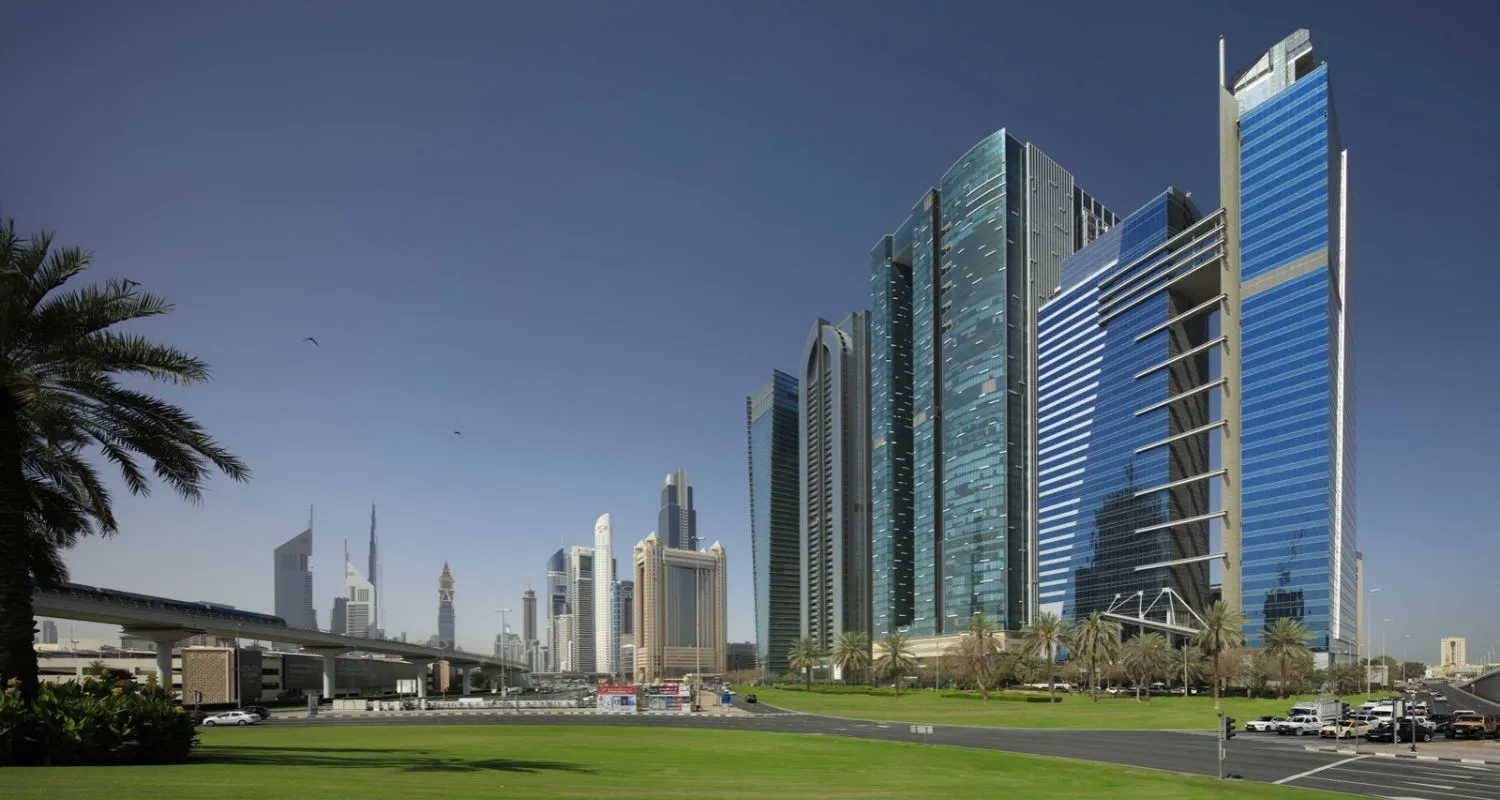

A branded residence is a home you own outright, run day to day by a hotel or luxury operator that lends the building its name, service standards, and design. In practice, that means hotel level management wrapped around private ownership. The model began as a niche for the wealthy, but it has become one of the fastest growing segments in global real estate.
The numbers explain the momentum. Over the past decade the count of branded residence schemes worldwide has more than tripled, with the pipeline pointing past a thousand projects by 2030. Buyers routinely pay a double digit premium over a comparable unbranded home, which is why developers keep pursuing these partnerships.
This guide covers what that premium actually buys, whether branded residences hold up as an investment, and how they differ from a standard apartment. It also looks at where the market is heading, from the Gulf to Cairo and the Montenegrin coast, the same regions where STORY Hospitality builds and operates. Throughout, we bring in that operator’s perspective, since running the property is where the promise of a brand is actually kept.
What are branded residences?
Branded residences are privately owned homes operated and serviced by an established hospitality or lifestyle brand, which sets the standard for how the property looks and runs. The defining feature is a split: you hold the title, while the brand handles the day to day operation. That separation is what sets the category apart from an ordinary apartment.

How do branded residences work?
The setup usually involves three parties: the developer who builds the project, the brand that operates it, and the individual owners who buy the units. The developer signs a licensing or management agreement with the brand, which then runs the property to its own service standards. Owners buy their homes the way they would any property, but they inherit that operating framework along with the keys.
In return, owners of a branded residence pay into the building’s service structure, usually through fees that cover management, staffing, and shared facilities. The brand keeps quality consistent because its name is attached to the result, which is the whole reason the arrangement holds its value. This is also where an experienced operator earns its place, since the standard is only ever as good as the team delivering it.
What services and amenities are included?
Services vary by brand and price point, but branded residences generally provide the operational backbone you would expect from a well run hotel. The most common inclusions are:
- 24 hour concierge and front desk support
- Housekeeping, with in residence dining or room service
- Spa, wellness, and fitness facilities, often shared with an attached hotel
- Security and maintenance managed by the operator
- Optional rental management, where the brand lets your unit while you are away
How are branded residences different from regular apartments?
The core difference is straightforward: a regular apartment hands you four walls, while a branded residence hands you those walls plus an operator running everything inside them. Ownership looks identical on paper, yet what you actually buy is a serviced, managed lifestyle rather than empty square meters. That operational layer changes the price, the upkeep, and often the resale story.
Branded residences vs regular apartments: the key differences
The gap shows up across five practical dimensions, and the table below lays them out side by side.
| Dimension | Regular apartment | Branded residence |
| Brand | None; the developer’s name at most | An established hotel or lifestyle brand |
| Service | Arranged by the owner | Concierge, housekeeping, and staffing built in |
| Management | Owner or a basic building manager | Professional operator to a set standard |
| Resale | Priced on location and condition | Backed by brand recognition and consistency |
| Price | Market rate | A premium over comparable unbranded stock |
Read the table one way and the branded residence simply costs more. Read it another way and you are paying for standards that are guaranteed rather than hoped for, which is precisely what a certain buyer wants.
What types of branded residences exist?
Branded residences split along two lines: who the brand is, and whether a hotel sits next door. On the first line, the clear majority are hotel branded schemes, tied to names guests already associate with service and consistency. The rest are lifestyle branded, where fashion, automotive, or design houses attach their identity to a building and sell a way of living instead of a nightly stay.
The second line is about layout. Some schemes are co-located, sharing a lobby, spa, and staff with an operating hotel, while others are standalone residences run to hotel standards without the hotel itself. Standalone formats are growing quickly, since many buyers want the service without the foot traffic of a hotel below them.
What are the benefits of branded residences?
The benefits of branded residences come down to one trade: you pay a premium and, in return, someone else guarantees the standard. For owners that means convenience and security, for investors it means income and resilience, and for developers it means faster, cleaner sales. Each group values a different part of the same package, so it helps to take them in turn.
Benefits for buyers and owners
For the people who actually live there, the appeal is turnkey ownership without the usual headaches. You get a home that runs itself, with concierge, housekeeping, and maintenance handled by staff who answer to the operator rather than to you. Lock the door, travel for three months, and the place is looked after exactly as you left it.
Security is the quieter benefit, and often the deciding one. A managed building with professional staffing and controlled access appeals to owners who split their time across countries or simply value discretion. When you do want income, many branded residences offer a rental program, so the same unit earns its keep while you are elsewhere.
Benefits for investors: yield and value retention
For investors, branded residences tend to do two things well: generate rental income and hold their value. The operator’s rental program can place your unit in a professionally managed pool, which usually means higher occupancy and less work than letting a standard apartment on your own. That is income without the day to day landlord role.
Value retention is the second draw, and it leans on the brand itself. A recognized name signals consistent quality to the next buyer, which tends to steady resale demand even when the wider market softens. We will put real numbers on that resilience in the ROI section, since the premium only makes sense if the returns follow.
Why do developers attach a brand?
Developers attach a brand because it solves three problems at once: sales speed, pricing, and risk. A known operator gives buyers confidence before a single unit is finished, which shortens sell out timelines and supports higher prices per square meter. That premium can be the difference between a project that pencils out and one that never breaks ground.
There is a risk angle too, and it is the reason serious developers court operators early. Partnering with an experienced brand de risks the whole venture, from design standards to the guarantee that the finished building will actually be run well. This is the point where STORY Hospitality typically enters a project, shaping a development so the brand promise holds long after the sales office closes.
Are branded residences a good investment?
For the right buyer, yes. Branded residences tend to hold their value and rent reliably, but the premium only pays off if you actually use the brand, the location, and the managed rental program behind it. Bought as a trophy you rarely touch, the case weakens, so the honest verdict is conditional, and the numbers below show where the line sits.

What is the branded residence price premium?
The branded residence price premium is simply the extra you pay for the brand, and it is not small. Across global markets it usually falls between 25 and 40 percent above a comparable unbranded home, with industry figures putting the long term global average near a third. That premium runs steepest in emerging markets, where the brand is often the first credible signal of international quality a buyer has.
Worth knowing: the premium doubles as a floor. Because the operator underwrites quality, branded stock has historically softened less than unbranded luxury during downturns, which is part of what investors are really buying.
Do branded residences deliver higher rental returns?
Rental performance is where the model earns its keep, though the gain is about consistency as much as headline yield. The operator runs your unit through a managed rental pool and the brand’s booking channels, which supports occupancy and takes the landlord role off your plate. Returns are not automatically higher than a well let private apartment, but they tend to be steadier and far lower effort.
That predictability matters most for absentee owners. If you are abroad for months at a stretch, a professionally run program that keeps the unit earning and maintained is worth more than a slightly higher yield you have to chase yourself.
What risks and costs should you consider?
No honest investment case skips the downside, and branded residences carry a few. Service charges sit higher than in standard buildings, usually the trade for the staffing and standards you bought into. There is also brand dependency, since operators can change and agreements can expire, which may shift the service or even the name over time.
Before committing, read the management agreement closely and map your exit early. Resale demand is usually solid in established markets and thinner in unproven ones, so location and the operator’s track record carry real weight.
How do you choose the right branded residence?
Choosing well comes down to four things: the brand, the operator behind it, the location, and the fee structure you are signing into. Get those right and the premium tends to justify itself; get them wrong and you are paying for a name that does little work. The sections below turn that into something you can actually check before you sign.

Key factors to evaluate before buying
Start with the operator, not the logo, because the brand promise is only as good as the team keeping it. A polished name means little if the day to day management is thin, so weigh who actually runs the building and how long their agreement lasts. From there, the shortlist of what matters is fairly consistent across any branded residence:
- Brand track record: how its existing schemes have held value and service over time
- Operator quality: the company running the property, and the length of its agreement
- Location: an established or clearly emerging market, not an untested one
- Rental program: whether the operator offers one, and on what split
- The contract: service charges, usage rules, and what happens if the brand changes
Questions to ask before you buy
The right questions surface the things brochures leave out, and most take one email to answer. Run through this short list with the developer or operator before you commit to a branded residence:
- Who operates the property, and how long is the management agreement?
- What exactly do the service charges cover, and how have they moved historically?
- Is there a rental program, and what share does the operator keep?
- Can I use the residence freely, or are there restrictions when it is in the rental pool?
- What happens to the price and the service if the brand is ever removed?
Did the answers come back clear and in writing? That is usually a good sign in itself, since a confident operator has nothing to hide on any of these points.
Where is the branded residences market growing?
The branded residences market is expanding almost everywhere, but the momentum is not spread evenly. Over the past decade the center of gravity has moved east and south, away from its old North American core and toward the Gulf, Asia, and a new wave of emerging resort markets. That shift is exactly where operators like STORY Hospitality are concentrating.
Global market trends
The headline trend is scale. The number of branded schemes worldwide climbed from 169 in 2011 to 611 in 2025, with unit numbers passing 160,000, and projections put the global total above 1,000 projects by 2030. Demand for branded living and developers chasing the premium keep feeding that curve.
One structural change is worth flagging. Standalone schemes, with no hotel attached, are now the fastest growing format, since many buyers want hotel grade service without a hotel lobby beneath them.
The Middle East as a branded residences hub
No region shows the boom more clearly than the Middle East. Its share of the global pipeline has pulled well ahead of its current built stock, led by rapid expansion across the UAE and Saudi Arabia, with Dubai and Abu Dhabi as the anchors. The trend reaches beyond the Gulf too, into markets like Egypt, where STORY Hospitality has a project underway in New Cairo.

Branded residences in Montenegro
Montenegro is one of the Adriatic’s clearest emerging cases for branded residences. A short flight from major European capitals, with a coast that already draws international buyers, it fits the profile operators look for: rising demand, limited premium supply, and room for a brand to set the standard.
That early-stage market is exactly why a large branded scheme carries weight here, and STORY Hospitality has one planned for the Budva coast. More on both projects, and what STORY brings to them, just below.

STORY Hospitality and branded residences
STORY Hospitality is an international hotel management company whose portfolio now extends into residential development. Founded over a decade ago by Abu Dhabi Capital Group, the company operates distinctive hotels alongside offices, retail, and apartments across Dubai and Abu Dhabi. That operating background is the whole point, since STORY does not simply lend a name, it runs the buildings behind it.
NOI Residence, New Cairo (in development)
In New Cairo, NOI Residence is an upcoming development delivered by URBNLANES as part of the STORY Hospitality portfolio. It carries the branded residence model into one of Egypt’s fastest growing districts, pairing outright ownership with the service standards STORY applies across its properties.
STORY Budva Riviera, Montenegro (upcoming)
On the Montenegrin coast, STORY Budva Riviera is a planned development set to bring branded residences to the Budva Riviera. Current plans describe 200 residences alongside a limited number of penthouses, with opening scheduled for the fourth quarter of 2029 following a four year build.
The Real Cost, and Real Value, of Branded Residences
Now that we’ve reached the end, the takeaway is refreshingly simple: you are paying a premium for standards that are guaranteed rather than hoped for. That trade works when the operator is strong, the location is sound, and the terms are fair, and it disappoints the moment any of the three goes soft. So treat the brand as the opening question rather than the answer, and the rest of the decision tends to fall into place.
If you are weighing a purchase, or planning a development and wondering whether a brand belongs on it, that is a conversation worth having with people who actually run these buildings. Contact us to talk through how branded residences could work for your property or your portfolio.

FAQ
Do these homes hold their value?
They tend to, better than comparable unbranded stock in the same market. The brand acts as a quality signal to the next buyer, which steadies resale demand and has historically softened the drop during downturns.
Can you rent out a branded residence?
Usually yes, and often through the operator’s own rental program. The unit goes into a managed pool run to hotel standards, which supports occupancy and takes the day to day landlord work off your hands, though the operator keeps a share.
Are serviced apartments the same thing?
Not quite. A serviced apartment is about the service layer alone, while a brand affiliated home adds the name, design standards, and long term operator behind the building, which is what drives the price premium.
Who manages the property day to day?
The operator does, not the individual owners. That covers staffing, maintenance, concierge, and shared facilities, all held to the standard the brand contractually commits to.
Are branded residences worth it in 2026?
For the right buyer, yes. Branded residences make sense when you value guaranteed standards and lower effort ownership, and when the operator, location, and contract all hold up to scrutiny.